
Bipolar Disorder
Bipolar disorder is a mental health condition characterized by episodes of depression and episodes of mania or hypomania. Depression involves persistently low mood and associated symptoms, while mania and hypomania involve unusually elevated mood, increased energy, or irritability. These episodes can cause significant distress and disrupt a person's work, relationships, and daily life. With appropriate treatment and support, many people with bipolar disorder can lead stable, productive, and fulfilling lives.
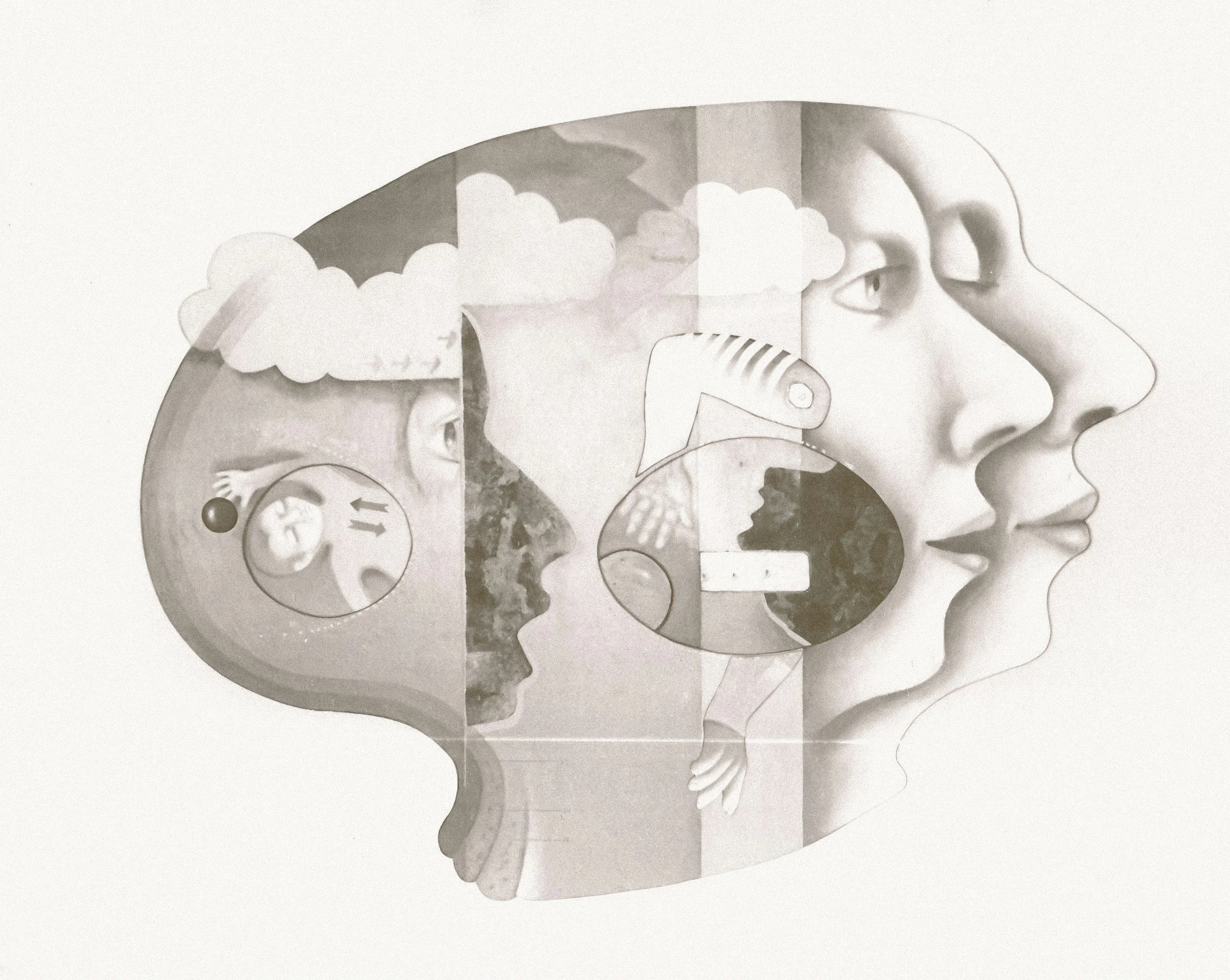
Bipolar Disorder Q&A
What is bipolar disorder?
Bipolar disorder is a mental health condition characterized by episodes of depression and episodes of mania or hypomania. Depression involves persistently low mood and associated symptoms, while mania and hypomania involve unusually elevated mood, increased energy, or irritability. These episodes can cause significant distress and disrupt a person's work, relationships, and daily life. With appropriate treatment and support, many people with bipolar disorder can lead stable, productive, and fulfilling lives.
What are common symptoms of bipolar disorder?
Symptoms vary depending on whether someone is experiencing a depressive episode or an episode of mania or hypomania.
Symptoms of depression may include:
Feeling down or depressed.
Losing interest in activities that ordinarily bring joy.
Low energy.
Changes in appetite, including eating too little or too much.
Sleep disturbances, such as insomnia or sleeping too much.
Feelings of guilt or inadequacy.
Difficulty concentrating.
Moving more slowly than usual or feeling unusually restless.
Thoughts of suicide or not wanting to be alive.
Symptoms of mania or hypomania may include:
Feeling unusually elevated, energetic, or irritable.
Increased activity that may lead to negative consequences.
Feeling unusually good about oneself.
Needing less sleep than usual.
Increased talkativeness.
Racing thoughts.
Being easily distracted.
What is the difference between bipolar I and bipolar II?
The distinction between bipolar I and bipolar II disorder is based on whether a person has experienced mania or hypomania.
Bipolar I disorder: A person has experienced at least one manic episode that causes significant problems or negative consequences in their life.
Bipolar II disorder: A person has experienced episodes of hypomania, which are milder in severity than mania, without a history of a manic episode.
Both conditions can involve depressive episodes, which may be particularly distressing and debilitating.
What is the difference between mania and hypomania?
Mania and hypomania involve periods of unusually elevated mood, increased energy, or irritability. The primary difference is the severity of the episode and its impact on a person's life.
Mania: An episode that causes significant problems or negative consequences, potentially including hospitalization or arrest.
Hypomania: A milder episode of elevated mood and increased energy.
Is bipolar disorder more than just mood swings?
Yes. Bipolar disorder involves episodes of depression and mania or hypomania that can cause significant distress and disruption. These episodes can affect a person's work, relationships, and other areas of life. Although mania and hypomania are defining features of bipolar disorder, depressive episodes are often the most distressing and debilitating aspects of the condition.
How is bipolar disorder diagnosed?
Bipolar disorder is identified by evaluating a person's history of depressive episodes and episodes of mania or hypomania. The nature and severity of these episodes, including how they affect a person's life, help distinguish between bipolar I and bipolar II disorder. The doctors at Regeneration Psychiatry have extensive experience working with people with bipolar disorder and helping them choose appropriate treatment options.
How is bipolar disorder treated?
Treatment depends on the phase of the condition, the severity of symptoms, and the individual's circumstances. Treatment options include:
Medication: Often a key part of treatment, with medications selected carefully to help manage symptoms and maintain stability.
Psychotherapy: Can help individuals experiencing depression and may help prevent future depressive, manic, or hypomanic episodes.
Electroconvulsive therapy (ECT): May be considered for people with severe symptoms or those who are unable to take medication.
Treatment plans are tailored to the individual's needs and may vary depending on their symptoms and history. Potential medication side effects should be discussed and monitored.
What medications are used to treat bipolar disorder?
Medication is a key part of treatment for many people with bipolar disorder. Mood-stabilizing medications are often used because some medications commonly prescribed for depression can increase the risk of triggering mania or hypomania.
Medication selection depends on the individual's symptoms, the phase and severity of the condition, and their treatment needs. Potential side effects should be discussed and monitored.
Why is medication selection important when treating bipolar disorder?
Medication selection is important because some medications used to treat depression can increase the risk of a manic or hypomanic episode in people with bipolar disorder. Mood-stabilizing medications are often used as part of treatment. Because these medications can have potential side effects, careful selection, discussion, and monitoring are important.
What role does psychotherapy play in treating bipolar disorder?
Psychotherapy can be helpful for people with bipolar disorder in several ways. It may help individuals who are experiencing a depressive episode and may also help those who are feeling stable by supporting efforts to prevent future episodes of depression, mania, or hypomania
What is electroconvulsive therapy (ECT), and when is it used?
Electroconvulsive therapy (ECT) is a treatment that uses electrical stimulation to induce therapeutic seizures. It may be considered for people with bipolar disorder who experience severe symptoms or are unable to take medication.
ECT can be very effective, but it may be less accessible than other treatments and can cause significant side effects.
How effective is treatment for bipolar disorder?
Bipolar disorder is treatable. With appropriate treatment and support, many people with the condition can lead stable, productive, and fulfilling lives. Medication, psychotherapy, and, in certain circumstances, electroconvulsive therapy (ECT) can help manage symptoms. The most appropriate treatment depends on the individual's circumstances, the phase and severity of the condition, and their treatment needs.